


Silverline Properties

Looking for a Property?

Get professional assistance for Office Rent, Flats, Land, Luxury Apartments & Houses.

Silverline Online
👋 Hello! Welcome to Silverline Properties Services. How can we assist you?
Find Your Perfect Property Today!

Looking for a property on rent or for sale? Send us your enquiry and our team will get back to you shortly.

Welcome to Silverline

Blog
Property Insights & Guides

Expert advice on office rentals, flats, land, farm land, luxury apartments and houses across Delhi & NCR.

Office space for rent in Delhi
Office Rent

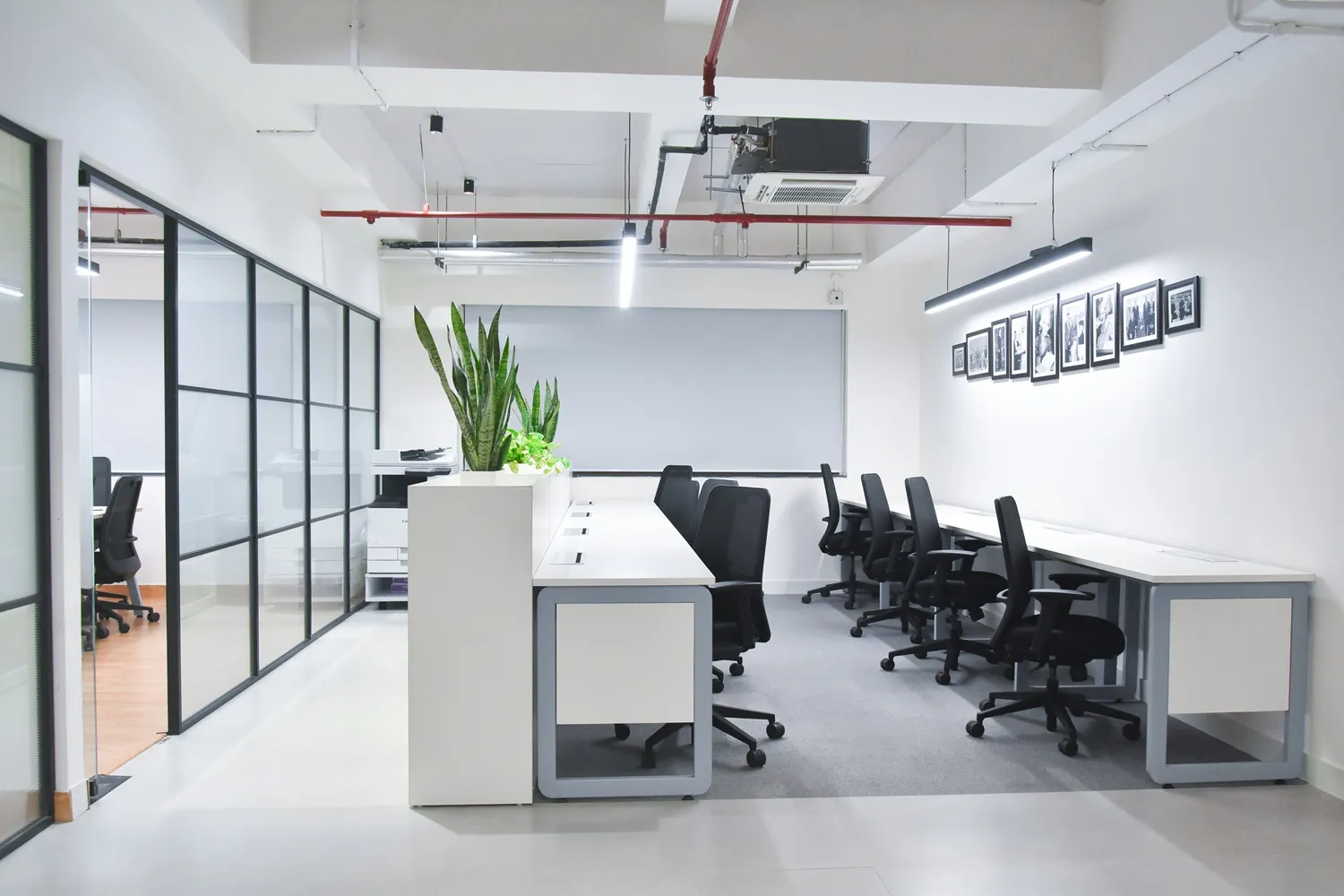
What to Look for When Renting an Office Space in Delhi

Renting an office in Delhi is more than just finding a desk and a chair. Your office location, lease terms, building infrastructure, and legal compliance all directly affect your business operations, employee satisfaction, and bottom line. Delhi and the wider NCR region offer everything from premium Grade-A office towers in Connaught Place and Nehru Place to affordable commercial spaces in Moti Nagar, Janakpuri, and Noida.

But the wrong office can cost you far more than rent—it can cost you talent, clients, and peace of mind. This practical guide walks you through everything you should check before signing an office rent agreement in Delhi.

1. Location and Connectivity

Location is the single most important factor in office renting. It affects how easily your employees commute, how accessible you are to clients, and how attractive your company looks to prospective hires.

  • Metro and public transport: Check the walking distance to the nearest metro station. Offices within 500–800 metres of a station are far easier to staff.
  • Road access: Ensure the office is approachable from major arterial roads without crossing congested bottlenecks. Consider how traffic changes during peak hours.
  • Employee catchment: Map where your current and future employees live. A location that requires a 90-minute commute will hurt retention.
  • Client accessibility: If you meet clients regularly, choose a location that is easy to find and has good visitor parking.
  • Micro-market: Connaught Place, Nehru Place, and Saket suit premium businesses; Moti Nagar, Kirti Nagar, and Janakpuri offer excellent value; Gurgaon and Noida suit large corporate setups.

2. Size, Layout, and Scalability

Understand the difference between carpet area (the actual usable floor space) and super built-up area (which includes a share of common areas). You pay rent on the super built-up area, but you work in the carpet area.

  • Seat capacity: A practical rule of thumb is 80–100 sq ft of carpet area per employee for a standard office. Premium layouts may use 120–150 sq ft per person.
  • Layout: Decide whether you need open-plan workstations, private cabins, meeting rooms, a reception area, a pantry, and storage. Check that the existing layout matches your needs or can be modified affordably.
  • Scalability: If you expect to grow, ask whether adjacent units are available or whether the landlord can offer expansion options in the lease.
  • Natural light and ventilation: These affect employee well-being and productivity. Avoid windowless floors if possible.

3. Rent, Deposit, and Lease Terms

Commercial lease terms in Delhi are negotiable, but you must understand every clause before signing.

  • Rent per sq ft: Compare rates in the same building and micro-market. Ask whether rent is inclusive or exclusive of CAM (Common Area Maintenance) charges.
  • Security deposit: Typically 2–6 months' rent. Negotiate for a lower deposit and clarify the refund timeline and conditions.
  • Lease duration: Commercial leases usually run 3–5 years. A longer lease can secure a lower rent, but it also locks you in.
  • Lock-in period: This is the minimum period you must stay. If you exit early, you may forfeit the deposit or pay a penalty. Negotiate a shorter lock-in or a graduated penalty.
  • Rent escalation: Most leases include a 5–15% annual increase. Clarify whether it applies to the base rent or the total rent.
  • Rent-free fit-out period: Ask for 15–60 days of rent-free time to complete interiors before your rent starts.
  • Notice period: Understand how much notice you must give before vacating and how much the landlord must give before asking you to leave.

4. Building Amenities and Infrastructure

The building's infrastructure directly affects your daily operations.

  • HVAC: Is the building centrally air-conditioned? Who pays for HVAC usage? Are there separate controls for your floor?
  • Power backup: Check the DG (diesel generator) capacity. Ensure it can run your computers, servers, and air-conditioning during outages.
  • Lifts: Adequate lift capacity matters in multi-storey buildings. Check waiting times during peak hours.
  • Internet readiness: Confirm which ISPs serve the building and whether the building has fibre readiness.
  • Fire safety: Look for fire alarms, sprinklers, extinguishers, and clearly marked exits. Ask for the Fire NOC.
  • Washrooms and pantry: Check cleanliness, water pressure, and whether the pantry has adequate plumbing and electrical points.
  • Cafeteria and nearby food options: Important for employee satisfaction.

5. Legal Compliance and Documentation

This is where many tenants get into trouble. Insist on seeing the following documents:

  • Ownership proof: Sale deed or title document of the landlord.
  • Occupancy Certificate (OC): Proves the building is fit for occupation.
  • Fire NOC: Mandatory for commercial buildings.
  • Property tax receipts: Confirm dues are cleared.
  • Lease agreement: Should be comprehensive and registered. Registration protects your tenancy rights.
  • GST registration: If the landlord is GST-registered, you can claim input tax credit on rent (subject to conditions).
  • Society/association NOC: If the office is in a complex, confirm that commercial use is permitted.
Important: Always have a lawyer review the lease agreement before signing. A poorly drafted lease can cost you lakhs in disputes.

6. Parking and Accessibility

Parking is a major pain point in Delhi. Clarify:

  • How many reserved car parking spaces are included in the rent?
  • Is visitor parking available? How many vehicles?
  • Is two-wheeler parking available and free?
  • Are there additional charges for parking?
  • Is the building accessible for differently-abled employees and visitors?

7. Power Backup and Security

  • DG backup capacity: Ask for the percentage of the building load that the DG can support. 100% backup is ideal for businesses that cannot afford downtime.
  • UPS for servers: Ensure your IT room has adequate UPS backup.
  • Security: Check for CCTV coverage, access control systems, security guards, and visitor management.
  • Fire safety: Verify alarms, sprinklers, and evacuation plans.

8. Hidden Costs to Watch For

Rent is only one part of your total occupancy cost. Budget for:

  • CAM charges: Common Area Maintenance fees for lifts, security, cleaning, and common electricity. These can add 15–30% to your rent.
  • Electricity: Check whether you pay per unit or a fixed monthly amount. Commercial electricity tariffs in Delhi are higher than residential.
  • Water charges: Clarify whether water is included or billed separately.
  • HVAC usage: If the building provides central AC, you may be billed for usage.
  • Parking charges: Additional parking may be charged separately.
  • Maintenance and repairs: Clarify who pays for what. Minor repairs are usually the tenant's responsibility.
  • Brokerage: Typically one month's rent, paid by the tenant or shared with the landlord.
  • Interiors and fit-out: Budget for furniture, partitions, wiring, and branding.
  • Registration and stamp duty: Lease agreements attract stamp duty and registration fees.

9. Office Rent Checklist

ItemWhat to Check
LocationMetro distance, road access, employee commute, client accessibility
AreaCarpet area, seat capacity, layout, expansion options
RentPer sq ft, escalation, rent-free period, CAM inclusion
DepositMonths, refund conditions, timeline
LeaseDuration, lock-in, notice period, exit clauses
ComplianceOC, Fire NOC, lease registration, property tax
AmenitiesPower backup, HVAC, lifts, internet, fire safety
ParkingReserved, visitor, two-wheeler, charges
Hidden costsCAM, electricity, water, maintenance, brokerage
ExitRestoration clause, deposit refund, handover process

10. Frequently Asked Questions

How much does office rent cost in Delhi?

Rates vary widely by micro-market. Grade-A office space in Connaught Place can cost ₹250–₹500 per sq ft per month, while spaces in Moti Nagar or Janakpuri may range from ₹80–₹180 per sq ft. Always compare inclusive costs, not just headline rent.

Is a security deposit negotiable?

Yes. In a soft market or for long leases, landlords often accept 2–3 months' deposit instead of 6. Negotiate the refund timeline in writing.

Do I need to register the lease agreement?

Registration is strongly recommended. An unregistered lease may not be admissible as evidence in court and can weaken your tenancy rights. Registration also clarifies stamp duty payment.

What is CAM?

Common Area Maintenance charges cover the upkeep of shared spaces—lifts, lobbies, security, cleaning, and common electricity. Confirm the CAM amount and escalation clause before signing.

Can I sublease the office?

Only if the lease explicitly permits it. Subleasing without permission can lead to eviction. Get written consent from the landlord.

What is a lock-in period?

The minimum period you must stay in the office. Exiting early usually triggers a penalty, often equal to the remaining rent or forfeiture of the deposit.

Conclusion

Renting an office in Delhi requires careful planning. Prioritise location and connectivity, understand the true cost of occupancy, verify legal documents, and negotiate lease terms that protect your business. A little due diligence today can save you significant time, money, and stress tomorrow.

At Silverline Properties Services, we help businesses find the right office space across Delhi and NCR. Whether you need a small startup office or a large corporate floor, our team can guide you through the entire process—from shortlisting to lease signing. Call us at +91 98111 42642 or email silverlineproperties@gmail.com.

SP

Silverline Properties Services

Silverline Properties Services is a Delhi-based real estate advisory specialising in office rentals, flats, land, farm land, luxury apartments, and houses across Delhi and NCR. With years of on-ground experience, we help clients make informed property decisions.

Flats for sale in Delhi
Flats for Sale

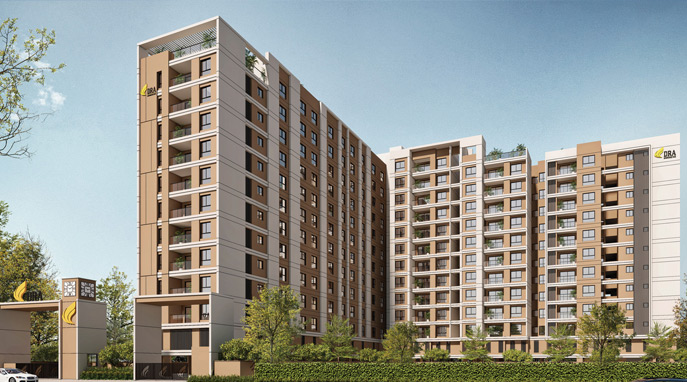
Flats for Sale in Delhi: A Buyer's Checklist

Buying a flat in Delhi is one of the biggest financial decisions you will ever make. The city's housing market is diverse—DDA flats, builder floors, cooperative society flats, and new launches—and each comes with its own set of legal, financial, and practical considerations. A mistake at the buying stage can cost you lakhs and years of stress.

This step-by-step checklist will help you evaluate a flat systematically before you pay a token amount.

1. Set a Realistic Budget

Your budget should cover the all-in cost, not just the advertised price.

  • Purchase price: The base cost of the flat.
  • Stamp duty and registration: In Delhi, stamp duty is typically 4–6% of the property value (with concessions for women buyers), plus 1% registration.
  • GST: 5% for under-construction flats (1% for affordable housing). Resale flats attract no GST.
  • Home loan eligibility: Most banks lend up to 80–90% of the property value. Get a pre-approval to know your budget.
  • EMI affordability: Keep your EMI within 40–50% of your monthly income.
  • Down payment: Arrange 10–20% of the property value plus transaction costs.
  • Emergency fund: Do not exhaust all savings on the down payment. Keep 6 months of expenses aside.

2. Verify the Builder and Project

  • Track record: How many projects has the builder completed? On time?
  • Completed projects: Visit at least one completed project and speak to residents about quality and maintenance.
  • Reviews and complaints: Search online forums and consumer complaint portals.
  • Financial health: Check if the builder has any insolvency or litigation issues.
  • RERA registration: Every project above 500 sq m or 8 apartments must be RERA-registered.

3. Check RERA Registration

RERA (Real Estate Regulation and Development Act) protects buyers. Verify the project on the Delhi RERA portal.

  • Check the RERA registration number and validity.
  • Review the quarterly progress reports filed by the builder.
  • Check for any complaints or penalties against the project.
  • Confirm that the promised completion date is realistic.

4. Title and Legal Due Diligence

This is the most important step. Never skip it.

  • Mother deed and chain of title: Verify ownership history for at least 30 years.
  • Encumbrance certificate: Confirms the property is free from mortgages and liens.
  • Land use: Confirm the land is approved for residential use.
  • Sanctioned plan: Check that the building plan is approved by the local authority.
  • Occupancy Certificate (OC) / Completion Certificate (CC): Essential for ready-to-move flats.
  • No litigation: Check court records and ask for a seller's affidavit.
  • Bank legal verification: If you are taking a loan, the bank will verify the title. Review their report.
Tip: Hire an independent lawyer to verify the title. A ₹10,000–₹20,000 legal fee can save you from a ₹1 crore mistake.

5. Location and Connectivity

  • Metro and roads: Check distance to the nearest metro station and major roads.
  • Social infrastructure: Schools, hospitals, markets, parks, and banks nearby.
  • Future infrastructure: Upcoming metro lines, highways, and commercial hubs can boost resale value.
  • Neighbourhood: Visit at different times of day to assess noise, traffic, and safety.
  • Resale potential: A well-connected location with good social infrastructure holds value better.

6. Construction Quality and Specifications

  • Structure: RCC frame structure with earthquake-resistant design (Zone IV for Delhi).
  • Flooring, fittings, and fixtures: Compare the specifications in the agreement with what is actually installed.
  • Waterproofing: Check terraces, bathrooms, and basements for seepage.
  • Ventilation and natural light: Visit the flat during the day.
  • Sample flat vs actual: Sample flats are often upgraded. Confirm what is included in your unit.
  • Site visit: Visit the construction site at different stages if buying under construction.

7. Amenities and Society Rules

  • Amenities: Power backup, lift, parking, clubhouse, gym, pool, landscaped gardens.
  • Maintenance charges: Ask for the current maintenance cost per sq ft and how it is expected to change.
  • Society rules: Pet policies, rental restrictions, visitor parking, and renovation rules.
  • Parking: Confirm whether parking is covered, open, or stacked, and whether it is included in the price.

8. Possession Timeline and Penalties

  • RERA completion date: The legally binding date.
  • Delay penalty: RERA mandates interest on delayed possession. Check the clause in your agreement.
  • Grace period: Builders often include a 6-month grace period for delays.
  • Force majeure: Understand what events excuse the builder from delays.
  • Past project delays: A builder's track record is the best predictor of future delays.

9. Hidden Costs

  • Stamp duty: 4–6% in Delhi (women buyers may get a 1% concession).
  • Registration: 1% of the property value.
  • GST: 5% for under-construction, 1% for affordable housing. Resale has no GST.
  • Maintenance deposit: Often 1–2 years' maintenance charged upfront.
  • Electricity and water connection: Meter installation and security deposits.
  • Parking charges: Sometimes charged separately.
  • Brokerage: Typically 1–2% of the property value.
  • Interiors: Budget 10–20% of the property value for furnishing.

10. Home Loan and Tax Benefits

  • Compare lenders: Check interest rates, processing fees, and prepayment terms.
  • Section 24(b): Deduct up to ₹2 lakh interest on home loan for a self-occupied property.
  • Section 80C: Deduct up to ₹1.5 lakh on principal repayment.
  • PMAY: Check eligibility for Pradhan Mantri Awas Yojana interest subsidy.

11. Buyer's Checklist

StageChecklist
Before bookingBudget, loan pre-approval, shortlist, site visits
LegalTitle, encumbrance certificate, approvals, RERA
TechnicalConstruction quality, specifications, waterproofing
FinancialAll-in cost, hidden charges, GST, stamp duty
AgreementRead clauses, delay penalty, possession date
PossessionSnag list, OC, meter transfer, society handover

12. Frequently Asked Questions

Is RERA mandatory for all projects?

RERA registration is mandatory for projects with more than 8 apartments or 500 sq m of land. Verify the registration on the state RERA portal.

How much stamp duty do I pay in Delhi?

Stamp duty is 4–6% of the property value, depending on the buyer's gender and the property's location. Women buyers often get a 1% concession. Registration is an additional 1%.

Can I buy an under-construction flat?

Yes, but only after verifying RERA registration, the builder's track record, and the possession clause. Under-construction flats attract 5% GST.

What is an Occupancy Certificate?

An OC is issued by the local authority confirming that the building is complete and fit for occupation. Never take possession without it.

How do I verify the title?

Hire a lawyer to check the chain of title for 30 years, the encumbrance certificate, and the sanctioned plan. Also check for litigation.

What if possession is delayed?

RERA entitles you to interest for every month of delay. Check the penalty clause in your agreement and file a complaint with RERA if needed.

Conclusion

Buying a flat in Delhi is a rewarding but complex process. Budget carefully, verify the builder, check RERA, conduct legal due diligence, and read every clause in your agreement. A systematic checklist reduces risk and gives you confidence in your purchase.

Silverline Properties Services helps buyers find verified flats for sale across Delhi and NCR. From shortlisting to legal verification and home loan assistance, we support you at every step. Call +91 98111 42642 to get started.

SP

Silverline Properties Services

Silverline Properties Services is a Delhi-based real estate advisory specialising in office rentals, flats, land, farm land, luxury apartments, and houses across Delhi and NCR.

Farm land and land for sale in Delhi NCR
Land & Farm Land

Farm Land & Land for Sale: What Investors Should Know

Land is a unique asset—finite, tangible, and historically appreciating. Farm land and open land in Delhi NCR attract investors looking for long-term capital growth, weekend homes, or future development opportunities. But land investments come with legal and practical complexities that differ significantly from buying a flat or office.

This guide explains what you must verify before investing in farm land or land in Delhi NCR.

1. Types of Land in Delhi NCR

  • Agricultural / farm land: Used for farming; purchase may be restricted to agriculturists in some states.
  • Residential plots: Approved by the local authority for residential construction.
  • Commercial land: Zoned for commercial use.
  • Industrial land: For factories and warehouses.
  • SEZ land: Special Economic Zones with specific regulations.
  • Unapproved / unauthorized colonies: High legal risk; avoid unless regularisation is confirmed.
  • Lal Dora land (Delhi): Village land within Lal Dora boundaries; separate rules apply.

2. Understand Land Use and Zoning

Land use classification determines what you can legally build or do on the land.

  • Master Plan: Check the Master Plan 2021/2041 for the area's designated land use.
  • Change of Land Use (CLU): If you want to convert agricultural land to residential or commercial, you must apply for CLU and pay conversion charges.
  • Zoning regulations: Check Floor Area Ratio (FAR), ground coverage, height restrictions, and setbacks.
  • Approved layout: For plotted development, confirm the layout is approved by the authority.
Warning: Buying agricultural land without confirming CLU eligibility can leave you with land you cannot legally build on.

3. Title Verification and Ownership

  • Mother deed and chain of title: Verify ownership history for at least 30 years.
  • Jamabandi / revenue records: Confirm the seller's name in government revenue records.
  • Khasra / Khatauni: Identify the exact plot number and area.
  • Mutation entries: Ensure all ownership transfers are recorded.
  • Encumbrance certificate: Confirm the land is free from mortgages and liens.
  • Litigation check: Search court records for disputes involving the land.
  • Physical boundary verification: Match the physical boundaries with revenue records. Hire a surveyor if needed.

4. Location and Access

  • Road access: Ensure the land has legal access to a public road of adequate width.
  • Proximity: Distance to highways, metro, city centres, and airports.
  • Water and electricity: Confirm availability and connection costs.
  • Surrounding development: Are there schools, hospitals, and commercial projects nearby?
  • Future infrastructure: Upcoming highways, metro lines, and industrial corridors can significantly boost land value.

5. Infrastructure and Development Potential

  • Plotting approvals: If buying a plotted development, confirm the layout and individual plots are approved.
  • Internal infrastructure: Roads, drainage, streetlights, water lines, and power lines.
  • Amenities: Parks, community centres, and security.
  • Builder reputation: For plotted developments, verify the developer's track record and RERA registration (if applicable).

6. Legal Restrictions

  • Agricultural land purchase: Some states restrict non-farmers from buying agricultural land. Check Haryana, Uttar Pradesh, and Delhi-specific rules.
  • Land ceiling laws: Maximum landholding limits may apply.
  • Conversion charges: Budget for CLU and conversion fees.
  • Forest and eco-sensitive zones: Construction may be prohibited or restricted.
  • Heritage zones: Additional approvals required.
  • Delhi Land Reforms Act: Specific rules for agricultural land in Delhi.

7. Investment Returns and Taxation

  • Appreciation: Land in developing corridors can appreciate 10–20% annually, but returns are not guaranteed.
  • Lease income: Farm land can be leased for agriculture or events.
  • Capital gains tax: Long-term capital gains (held over 24 months) are taxed at 20% with indexation; short-term gains are taxed at your slab rate.
  • TDS: 1% TDS applies on sale of land above ₹50 lakh (for non-agricultural land).
  • Agricultural income: Exempt from income tax under Section 10(1), subject to conditions.

8. Risks and Red Flags

  • Fake titles: Always verify documents with the revenue department.
  • Encroachments: Physically inspect the land and check for illegal occupation.
  • Disputed boundaries: Get a professional survey done.
  • Unapproved layouts: Avoid plots in unapproved colonies.
  • Litigation: Check court records before paying any advance.
  • Environmental restrictions: Verify the land is not in a no-construction zone.
  • Liquidity: Land can take months or years to sell. Be prepared for a long holding period.
  • Cash transactions: Avoid cash deals; insist on bank transfers and proper receipts.

9. Due Diligence Checklist

AreaWhat to Verify
TitleChain of title, encumbrance certificate, mutation
Land useZoning, CLU status, master plan
ApprovalsLayout approval, RERA (if plotted), building plan
PhysicalBoundaries, access road, encroachments
RevenueJamabandi, khasra, tax receipts
LegalLitigation, restrictions, land ceiling
InfrastructureWater, power, roads, drainage
FinancialAll costs, taxes, registration, conversion charges

10. Frequently Asked Questions

Can I buy farm land in Delhi NCR?

Rules vary by state. In Haryana and Uttar Pradesh, non-farmers may face restrictions. In Delhi, agricultural land purchase is governed by the Delhi Land Reforms Act. Always consult a local lawyer.

What is CLU?

Change of Land Use is the process of converting agricultural land to residential, commercial, or industrial use. It involves applying to the local authority and paying conversion charges.

How do I verify land title?

Check the chain of title for 30 years, the encumbrance certificate, jamabandi, khasra, and mutation records. Hire a lawyer and a surveyor for independent verification.

Is RERA applicable to plotted development?

Yes, plotted developments above the size threshold must be RERA-registered. Verify the registration before booking.

What are the taxes on land sale?

Long-term capital gains are taxed at 20% with indexation. Short-term gains are taxed at your slab rate. TDS of 1% applies on sales above ₹50 lakh for non-agricultural land.

How do I check for encumbrances?

Apply for an encumbrance certificate from the sub-registrar's office. It lists all registered transactions, mortgages, and liens on the property.

Conclusion

Land can be an excellent long-term investment, but only if you do thorough due diligence. Verify the title, confirm land use, check legal restrictions, and budget for conversion and development costs. Never rely on verbal assurances—insist on documents.

Silverline Properties Services assists investors in identifying verified land and farm land opportunities across Delhi NCR. Our team can help you with title verification, documentation, and negotiation. Call +91 98111 42642 or email silverlineproperties@gmail.com.

SP

Silverline Properties Services

Silverline Properties Services is a Delhi-based real estate advisory specialising in office rentals, flats, land, farm land, luxury apartments, and houses across Delhi and NCR.